
Many cancer survivors feel anxious, emotionally flat, or worse after treatment ends — even though they expected relief. Research shows that distress levels often increase after treatment, not during it (Stanton, 2012). This happens because the end of active treatment removes the structure, monitoring, and medical safety net that held anxiety at bay, while the brain’s threat detection system remains in a heightened state of alert. For many survivors, this distress is closely linked to fear of cancer recurrence — the persistent fear that cancer will return — which is experienced at moderate to high levels by the majority of cancer survivors (Luigjes-Huizer, Tauber et al., 2022). These reactions are common and predictable, not signs of failure or ingratitude, and evidence-based psychological approaches can help (Tauber et al., 2019).
Treatment is over. The scans are clear. People congratulate you. And somewhere inside, there is a voice that says: I should feel happy. So why don’t I?
If you have finished cancer treatment and expected to feel relief — but instead feel anxious, lost, flat, or strangely worse than you did during treatment — you are not going mad, and you are not ungrateful. What you are experiencing is one of the most common and least discussed realities of life after cancer. The end of treatment is supposed to be a finish line. But for many survivors, it feels more like being dropped into open water without a map.
Research shows that distress levels for many cancer survivors actually increase after treatment ends, not during it (Stanton, 2012). This is not a failure of resilience or character. It is a predictable psychological response to what has just happened — and to what happens next.
The paradox of the end of treatment
During treatment, there is structure. There are appointments, a medical team around you, a plan. However frightening it is, there is the sense that something is being done. Your job is to get through it.
Then treatment ends, and everything shifts.
The medical team that was seeing you every week now sees you every few months. The scans that were closely monitoring you become less frequent. The daily routine built around treatment suddenly disappears. And you are expected to “get back to normal” — as though normal still exists, as though you are the same person you were before diagnosis.
For many people, this is the point where fear and anxiety actually surface properly for the first time. During treatment, there was no space for them — you were in survival mode, focused on getting through. Now that the immediate crisis has passed, your nervous system catches up. The feelings that were held at bay during treatment arrive, and they arrive all at once. Research on cancer survivors describes this transition as a period when many feel alone or even abandoned following the intensive support provided during treatment (Yi & Syrjala, 2017).
This is not a sign that you are falling apart. It is your mind beginning to process what you have been through — at exactly the moment when the world around you expects you to be done processing.
Why everyone expects you to be fine
One of the most isolating parts of life after cancer is the gap between how you feel and how others expect you to feel.
The people around you — your partner, your family, your friends, your colleagues — have been waiting for this. They have been worried. They have been holding their breath. And now that treatment is over, they exhale. They want to celebrate, to move on, to stop talking about cancer.
This is understandable. They love you, and they want things to be okay.
But it creates an impossible pressure: to perform recovery. To match the relief everyone else is feeling. To be the inspiring survivor who is grateful for every day and ready to embrace life again.
The reality is often very different. You may feel emotionally flat, as though the colour has drained from things. Anxious in a way that is hard to pin down — not about anything specific, but about everything. Disconnected from the life you had before, as though you are watching it from a distance. Angry or irritable, sometimes without knowing why. Guilty for not feeling happier, especially when you know others have had worse outcomes.
And beneath all of this, there is often a fear that is harder to name — not just fear that cancer will return, but something more existential: a sense that the world is no longer the safe place you once assumed it was.
These are not signs of weakness. They are signs that cancer has changed something fundamental in how you experience yourself and the world — and that change does not resolve the moment a scan comes back clear.
What cancer does to your sense of safety
Before cancer, most of us operate with an unspoken assumption: my body is safe, and the future is broadly predictable. We do not think about this assumption consciously — it is just the background against which we live.
Cancer shatters this. Not gradually, but completely. You learn, in the most visceral way possible, that your own body can become a threat. That danger can come from the inside. That life can change fundamentally, without warning, on an ordinary Tuesday.
This is not something you can un-learn. Even after successful treatment, the knowledge remains: it happened once. It could happen again. The brain’s threat detection system — the part of you that scans for danger — has learned through real experience that your body is a source of potential threat. After treatment, this system does not simply switch off. It stays alert. Ordinary sensations — a headache, fatigue, a twinge in your side — now carry a weight they never had before. Every sensation becomes a question: is this normal, or is it cancer? This is what it means when fear doesn’t leave after cancer — even when the medical facts say you should feel safe.
This shift in how you relate to your own body is at the heart of what psychologists call fear of cancer recurrence — the persistent fear, worry, or concern that cancer will return. It is one of the most common psychological responses after cancer, affecting the majority of survivors (Luigjes-Huizer, Tauber et al., 2022), and it is one of the main reasons why life after treatment feels so much harder than people expect. It is not anxiety in the general sense. It is specific, grounded in real experience, and it is why generic advice — “just relax,” “try not to worry,” “stay positive” — lands so poorly.
The identity gap
There is another layer that often goes unspoken. Cancer does not just change how you feel about your body. It can change how you feel about yourself.
Many survivors describe a sense of dislocation — as though they no longer quite fit into the life they had before. The job that once felt meaningful may feel trivial. Relationships that were solid may feel strained by the distance cancer has created. Small talk feels absurd. Future plans feel fragile.
You may look the same to the outside world. But inside, something has shifted. The person who went into treatment and the person who came out are not quite the same — and the life waiting for you on the other side was built for the person who went in.
This experience can look like depression, and for some people it does overlap with it — a large meta-analysis of interview-based studies found that approximately one in five cancer patients meet criteria for some form of depression (Mitchell et al., 2011). But for many others, what they are going through is something different: a process of reckoning with a version of yourself and your life that no longer fits as well as it used to. It is disorienting and lonely, particularly when there is no obvious language for it and no socially acceptable space to say: I am alive and I am grateful, but I am also changed and I do not know how to talk about it.
If the flatness, disconnection, or sadness you feel is persistent and not lifting, it is always worth talking to a professional — whether it turns out to be depression, grief, fear of recurrence, or something that does not fit neatly into any category.
This does not have to be where the story ends
What you are feeling is real, it is common, and it does not mean you are failing at survivorship. There is no correct way to feel after cancer. The expectation that you should feel a certain way — relieved, grateful, joyful, “back to normal” — is one of the things that makes this harder, not easier.
But this is not a place you have to stay. The anxiety, the disconnection, the fear — these are not permanent states. They are responses to an extraordinary experience, and they can be understood, worked with, and gradually loosened.
What helps is not trying to push the feelings away or argue yourself out of them. The approaches that have the strongest evidence for fear after cancer — including Acceptance and Commitment Therapy (ACT) — work not by eliminating the difficult feelings, but by helping you change your relationship to them (Tauber et al., 2019): learning to notice fear without being controlled by it, stepping back from the pull of anxious thoughts, and reconnecting with the things that matter most to you, even while uncertainty is still present.
This is not about getting back to who you were before. It is about finding a way forward that makes room for everything you have been through — and for the life you want to build from here.
So if you have been asking yourself why don’t I feel happy? — the answer is not that something is wrong with you. The answer is that you have been through something that changes people. And there are ways to move forward with that change, rather than against it.
If you want to begin making sense of what you are experiencing, my free guide, When the Fear Doesn’t Leave, walks through the most common patterns after cancer and helps you understand your own.
I you want to understand where you are with fear of recurrence, you can also try the self-assessment available in the free app I have developed.
Frequently asked questions
Is it normal to feel worse after cancer treatment ends?
Yes. Research consistently shows that distress levels for many cancer survivors increase after treatment ends, not during it (Stanton, 2012). The end of active treatment removes the structure and medical safety net that held anxiety at bay, while the nervous system begins processing the full impact of what happened. Many survivors report feeling alone or abandoned following the intensive support of treatment (Yi & Syrjala, 2017). This is a common and well-documented response.
Why don’t I feel relieved after finishing cancer treatment?
The expectation that you should feel relieved can itself become a source of distress. During treatment, you were in survival mode — there was no space for the emotional processing to happen. Once treatment ends and the immediate crisis has passed, fear, grief, and uncertainty often surface for the first time. This is not a failure of gratitude; it is a predictable part of the transition from patient to survivor.
When should I seek professional help after cancer treatment?
If anxiety, fear of recurrence, emotional flatness, or disconnection persist for months and are interfering with your sleep, relationships, work, or ability to enjoy daily life, it is worth seeking support. A psychologist who specialises in fear of cancer recurrence can help you understand what you are going through and work with it effectively.
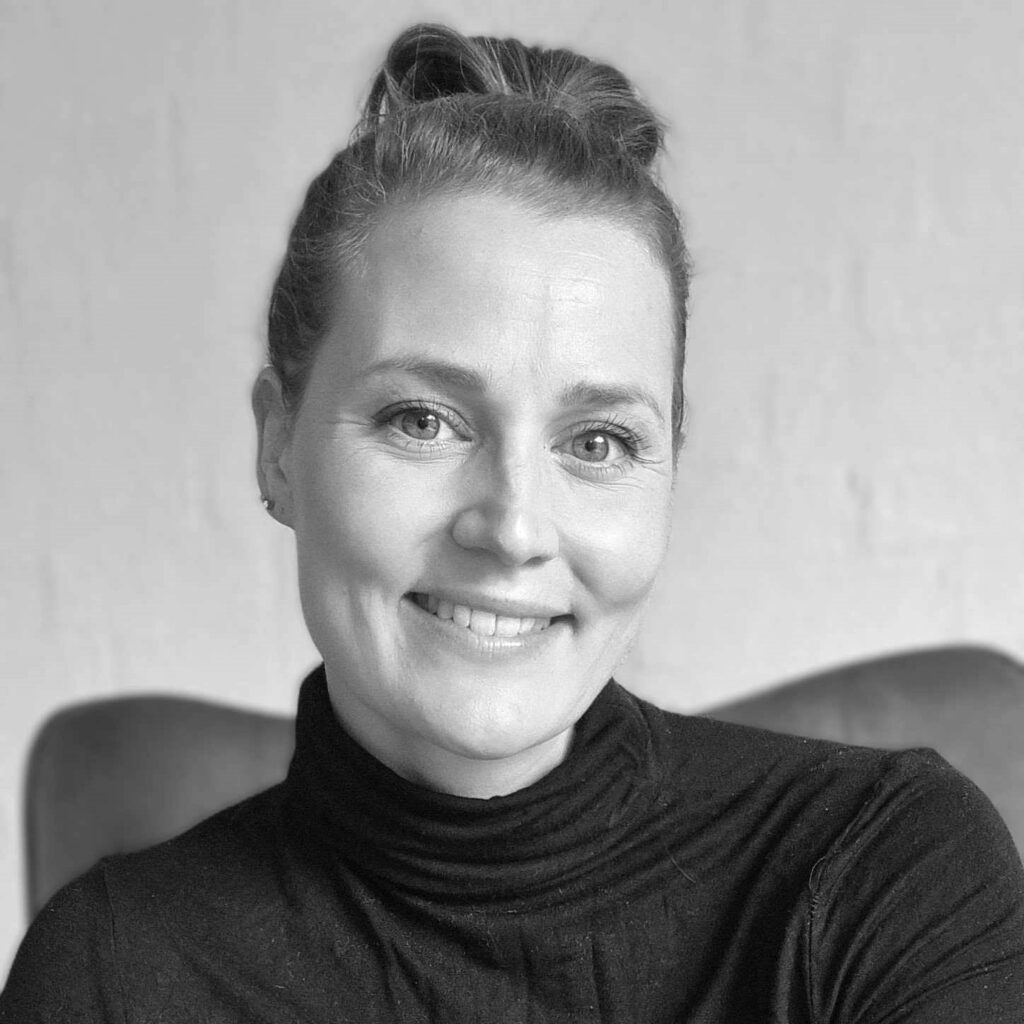
Nina Tauber is a clinical psychologist with a PhD in psycho-oncology, specialising in fear of cancer recurrence. She has led research on the prevalence and treatment of fear of recurrence, including the development and testing of manual-based psychological interventions at Aarhus University and Aarhus University Hospital, in collaboration with international research partners. She works with cancer survivors and their loved ones online, from wherever they are in the world.
References:
Luigjes-Huizer YL, Tauber NM, Humphris G, et al. What is the prevalence of fear of cancer recurrence in cancer survivors and patients? A systematic review and individual participant data meta-analysis. Psycho-Oncology. 2022;31(6):879-892.
Mitchell AJ, Chan M, Bhatti H, et al. Prevalence of depression, anxiety, and adjustment disorder in oncological, haematological, and palliative-care settings: A meta-analysis of 94 interview-based studies. The Lancet Oncology. 2011;12(2):160-174.
Stanton AL. What happens now? Psychosocial care for cancer survivors after medical treatment completion. Journal of Clinical Oncology. 2012;30(11):1215-1220.
Tauber NM, O’Toole MS, Dinkel A, et al. Effect of psychological intervention on fear of cancer recurrence: A systematic review and meta-analysis. Journal of Clinical Oncology. 2019;37(31):2899-2915. Yi JC, Syrjala KL. Anxiety and depression in cancer survivors. Medical Clinics of North America. 2017;101(6):1099-1113.