
About Nina Tauber
Clinical Psychologist & PhD in Psycho-Oncology and Health Psychology
I am a licensed clinical psychologist with a PhD in psycho-oncology and health psychology at Aarhus University. My work focuses on supporting people who are living with psychological distress in the context of illness, uncertainty, and difficult life circumstances — in particular fear of cancer recurrence, anxiety, and the psychological aftermath of cancer.
My clinical work is grounded in years of experience across both research and practice. I aim to offer psychological support that is clinically rigorous, practically useful, and adapted to the individual — without pathologising what are, in many cases, entirely natural human responses to an extraordinarily difficult experience.
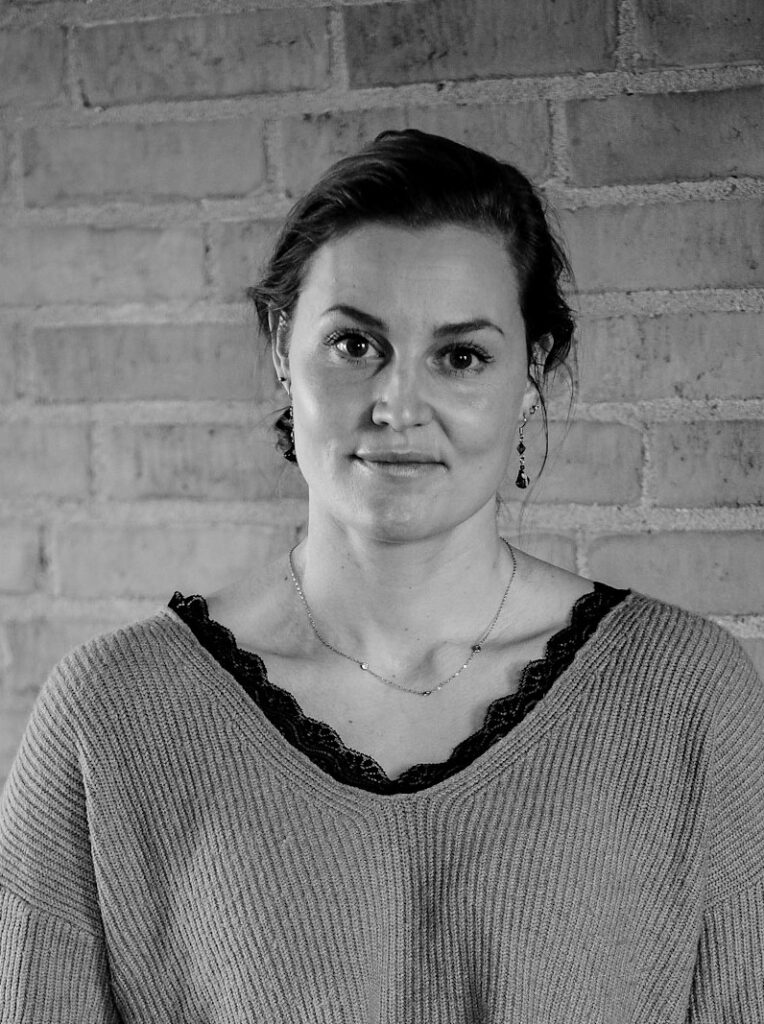
Licensed clinical psychologist — PhD in Psycho-Oncology — specialising in fear of cancer recurrence — online sessions worldwide
Background and expertise
My clinical and research work has focused on the intersection of psychology, physical illness, and the body — particularly in the context of cancer. Over the course of my career I have specialised in:
- Psychological reactions after cancer, including fear of cancer recurrence
- Anxiety, persistent worry, and hypervigilance in the context of illness
- Low mood, grief, and adjustment difficulties following cancer
- Psychological distress associated with chronic illness
- The psychological experience of cancer for loved ones and family members
In my research career I have worked on the development and evaluation of manual-based psychological treatments for fear of cancer recurrence, in collaboration with colleagues at Aarhus University, Aarhus University Hospital, and international research partners.
Manual-based approaches have a particular strength: they are grounded in well-documented methods and a clear clinical structure, which ensures quality and consistency — while always being adapted to the individual person’s situation, pace, and needs.
In my clinical practice, I translate research-based knowledge into psychological support that makes sense in real life — including in everyday life where energy and capacity are often limited.
My approach
I work primarily with Acceptance and Commitment Therapy (ACT) and related health psychology approaches. ACT is an evidence-based form of therapy focused on psychological flexibility — the capacity to be present with difficult thoughts and feelings without being governed by them.
In practice, this means that the work is not about removing discomfort or thinking positively. It is about changing the relationship with what is difficult — so that there is again space for the life that matters to you.
In sessions, we work with things such as:
- Understanding fear, worry, and psychological distress as meaningful responses — not signs of failure
- Creating space for difficult emotions without being overwhelmed by them
- Building flexibility in attention, thinking, and behaviour
- Reducing patterns such as hypervigilance, excessive monitoring, and avoidance
- Working with the body’s alarm system and what maintains it
- Strengthening values, direction, and meaningful everyday functioning
My approach is respectful, collaborative, and non-judgmental. Sessions are always adapted to your situation — whether you are looking for concrete tools, a space for reflection, or a combination of both.
How I work in practice
I care about psychological support being both clinically sound and realistic within the demands of everyday life. In my work I place particular emphasis on:
- Clear framing and shared expectations from the outset
- Focusing on what makes a concrete difference in daily life
- Ensuring you leave sessions with insight, language, and tools you can use between appointments
- Keeping the process as focused and time-efficient as it can be — not longer or more extensive than necessary
Some people benefit from a shorter, more focused process. Others find that a longer collaboration makes more sense. We always agree on this together, and revisit it as we go.
Why fear of cancer recurrence
Fear of cancer recurrence is one of the most common psychological consequences of cancer — and one of the most underrecognised. It affects the majority of cancer survivors to some degree, and for around one in five it significantly affects daily life, relationships, and quality of life.
Despite this, it is frequently invisible to others — including to healthcare teams, whose contact with survivors reduces sharply after treatment ends. Many people living with fear of recurrence have never had the experience of having it named, understood, or taken seriously.
This is the gap I work in. Not because fear of recurrence is a disorder — it is not — but because it is a significant and real psychological experience that responds well to the right kind of support. And because the people living with it deserve care that matches the weight of what they have been through.
You can read more about psychological reactions after cancer here and fear of cancer recurrence specifically here.
Frequently asked questions
What is your area of specialisation?
I specialise in the psychological consequences of cancer — in particular fear of cancer recurrence (FCR). FCR is one of the most common psychological late effects of cancer, affecting the majority of cancer survivors to some degree. My clinical and research work has focused specifically on this area for many years.
Do you work with cancer survivors worldwide?
Yes. All sessions take place online, which means I can work with cancer survivors and their loved ones wherever they are in the world. Sessions are available in English and Danish.
What therapeutic approach do you use?
My work is grounded in Acceptance and Commitment Therapy (ACT) and evidence-based health psychology. ACT is particularly well-suited to fear of cancer recurrence because it focuses on changing the relationship with fear and uncertainty — rather than trying to eliminate them, which is neither realistic nor necessary.
Are you a licensed psychologist?
Yes. I am a licensed clinical psychologist, authorised in Denmark. I hold a PhD in psycho-oncology and health psychology from Aarhus University, and have developed manual-based psychological treatments for fear of cancer recurrence in collaboration with Aarhus University Hospital and international research partners.
Do you work with loved ones as well as cancer survivors?
Yes. Fear and psychological distress after cancer are not limited to the person who has been diagnosed. Partners, family members, and close friends are often significantly affected. I work with loved ones in their own right — not only as supporters of someone with cancer.
Would you like to find out more?
If you are considering working with me and would like to ask a question or find out more about how I work, you are very welcome to get in touch. There is no obligation. You are also welcome to read more about my approach to individual online consultations here.
